

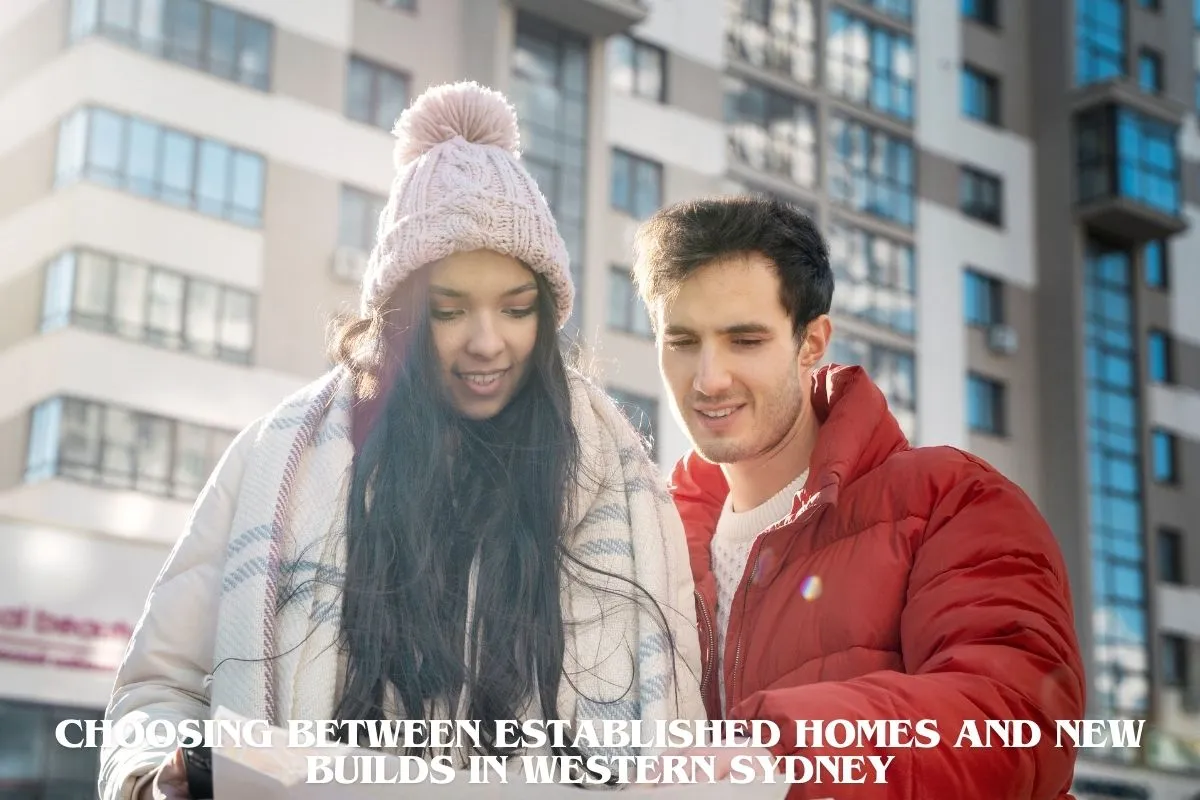
Walk into any Western Sydney cafe and mention you’re torn between buying new or established, and suddenly everyone’s got opinions. Your mate swears new builds are the only way to go; warranties, modern everything, no surprises. Your sister insists established homes are smarter; real neighborhoods, mature gardens, actual character.
Plot twist? They’re both right and both wrong, depending on what matters to you. This isn’t about which option wins universally. It’s about which one fits your actual life, budget, and whether you can mentally handle living next to construction sites for three years straight.
How Real Estate Works Differently For Each Option
Working with real estate professionals who get both markets helps navigate the weird differences each option throws at you. New build sales involve developer reps with completely different motivations than traditional agents selling established homes. They’re essentially selling imagination, floor plans, promises, and display homes that’ll look nothing like your actual house.
Established home purchases follow familiar patterns. You inspect the real property, make offers based on things you can actually see and touch, and settle within normal timeframes that don’t involve praying builders finish on schedule.
New builds want massive deposits months or years before completion. You’re betting on plans, builder reputation, and display homes while hoping your actual house turns out decent. This uncertainty scares plenty of buyers, regardless of potential upsides.
houses for sale Bonnyrigg Heights span both categories, established homes in streets with actual trees and new developments where everything’s shiny and modern. Checking out both in your target area gives you real comparisons instead of theoretical debates based on what happened to someone’s cousin three suburbs away.
What Things Really Cost (Not What Ads Say They Cost)
New build ads show attractive prices that look competitive until you start selecting actual features. That advertised $650,000 suddenly becomes $780,000 once you add landscaping, blinds, driveway, fence, and upgrades from builder-basic to finishes you can tolerate seeing daily. Oh, and appliances. And decent flooring. And bathroom fixtures that don’t look like they came from a budget motel.
Established homes show their full hand upfront. The price includes everything already there: garden, fence, curtains, and often furniture sellers can’t be bothered moving. What you see during inspection weekends is what you’re getting. No surprises, no hidden upgrade costs sneaking up after contracts are signed.
But here’s the catch with established places, they need money spent eventually. That hot water system is probably closer to retirement than you are. Carpets might be functionally fine but aesthetically questionable. The kitchen works, but looks like it’s stuck in a time capsule from when Backstreet Boys were still together.
Do honest math comparing the total investment between options.
Daily Life Differences That Actually Matter
New builds usually cluster in developing areas, still figuring out basic infrastructure. You get brand new everything, but spend years waiting for decent cafes, proper parks, or shopping beyond one small supermarket. The street feels weird and empty because everyone moved in simultaneously without existing connections or a community vibe.
Established suburbs already have everything functioning:
- Schools that aren’t temporary: You’re not dealing with demountable classrooms or waiting years for the promised permanent school that keeps getting delayed.
- Shops that are actually open: Daily conveniences exist now, rather than appearing on development plans with optimistic “Stage 3” timelines nobody believes.
- Parks with real shade: Instead of saplings tied to stakes, hoping they survive their first scorching summer without dying pathetically.
The neighborhood has an atmosphere you can feel rather than potential you’re supposed to imagine might materialize someday.
Customization Versus Taking What Exists
New builds often let you customize during construction; pick colors, select fixtures, and sometimes modify layouts. This appeals to buyers with strong opinions about everything who want homes reflecting their specific tastes.
However, customization gets shockingly expensive. Builders charge premium rates for changes from standard packages. That $30,000 in upgrades might add $15,000 to the eventual sale value. You’re paying for personal preference, not investment returns.
Established homes present fixed situations requiring renovation to change substantially. This seems limiting until you realize older properties sometimes offer superior bones, bigger room sizes, and better locations that compensate for dated looks you can gradually update.
Conclusion
Choosing between established and new builds needs honest thinking beyond advertised prices. New builds deliver modern features and warranties in developing areas at premium costs. Established homes provide functioning neighborhoods and proven locations with maintenance realities.
Your specific situation should drive this choice: not trends, not what worked for friends, not blanket advice.
Related posts:
 Stunning Exteriors: Inspiring Ideas for Every Architectural Style
 How to Hang Curtains Without a Rod
 How to Hang Curtains Without Drilling
 Showpiece Safety: Protecting Your Treasures from Damage
 How to Choose the Right Commercial Contractor for Your Business Project
 The Tool Every Builder and Renovator Should Be Using
 Design Strategy: How to Create High-Appeal Apartment Units With Fixture Choices