

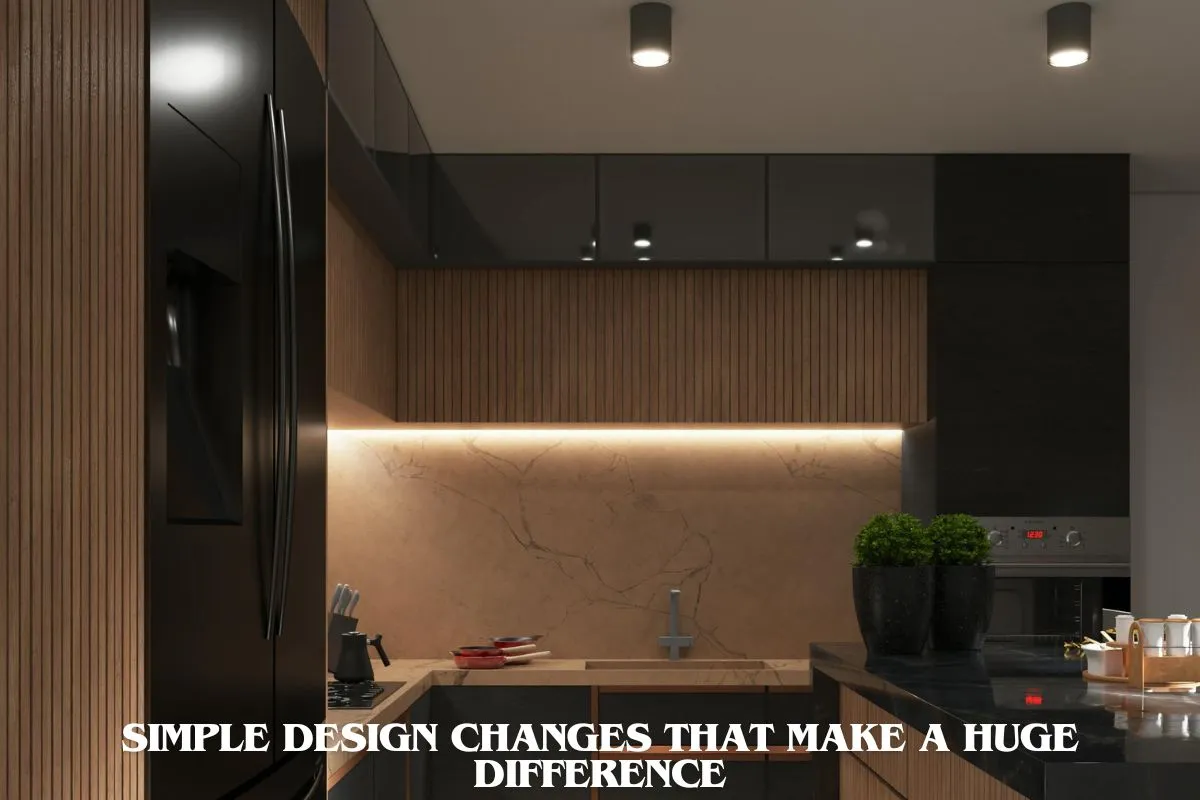
Understanding the Impact of Small Updates
Many homeowners assume that meaningful design improvements require major renovations, but small changes can dramatically transform a space. Designers often begin by identifying elements that no longer serve the room, such as outdated lighting, worn textiles, or inefficient layouts. These subtle adjustments can refresh the atmosphere without disrupting daily life. Even minor updates can influence how spacious, organized, or welcoming a room feels. By focusing on targeted improvements, homeowners can achieve a polished look without committing to large‑scale projects. This approach makes design more accessible and encourages thoughtful, intentional updates.
Refreshing a Space Through Color and Light
Color and lighting are two of the most powerful tools for creating noticeable change with minimal effort. A fresh coat of paint can shift the entire mood of a room, making it feel brighter, calmer, or more sophisticated. Lighting also plays a major role in shaping ambiance. Layered lighting, which includes ambient, task, and accent sources, helps create depth and warmth. Designers often recommend updating outdated fixtures or adding lamps to improve balance and functionality. These simple changes can make a room feel more inviting and visually cohesive. When color and light work together, the transformation can be surprisingly dramatic.
Enhancing Comfort With Textures and Materials
Textures and materials add dimension to a room and help create a sense of comfort and personality. Soft textiles such as throw blankets, pillows, and area rugs can instantly warm up a space. Natural materials like wood, stone, and woven fibers introduce organic elements that feel grounded and timeless. Designers often layer multiple textures to create depth without overwhelming the room. This technique works especially well in minimalist spaces that rely on subtle details for visual interest. By incorporating thoughtful materials, homeowners can elevate the overall aesthetic while enhancing comfort. These updates require minimal effort but deliver significant impact.
Improving Functionality Through Layout Adjustments
Rearranging furniture is one of the simplest ways to improve both the look and function of a room. Designers often experiment with different layouts to enhance traffic flow, maximize natural light, and create more purposeful zones. Even small adjustments, such as repositioning a sofa or adding a side table, can make a room feel more balanced and usable. Decluttering also plays a major role in improving functionality. Removing unnecessary items helps open up the space and allows key design elements to stand out. These layout changes can make a home feel more organized and comfortable without requiring new furniture.
The Expertise of Interior Designers Bay Area Homeowners Rely On
Many homeowners turn to interior designers Bay area professionals because of their ability to create meaningful transformations through simple, strategic updates. These designers excel at identifying small changes that deliver maximum impact, whether through color, layout, materials, or lighting. Their approach often blends modern aesthetics with practical solutions tailored to the region’s diverse architectural styles. They understand how to enhance natural light, incorporate sustainable materials, and create spaces that feel both stylish and functional. Their expertise helps homeowners achieve a refreshed look without the need for major renovations. This thoughtful approach has made them highly sought after for design projects of all sizes.
Conclusion
Simple design changes can make a significant difference in how a home looks and feels. By focusing on color, lighting, texture, layout, and thoughtful updates, homeowners can transform their spaces without major construction. These small adjustments create environments that feel more cohesive, comfortable, and visually appealing. With a clear vision and strategic choices, any room can be refreshed in a meaningful way. Thoughtful design does not require a full renovation; sometimes, the smallest changes create the biggest impact.
Related posts:
 Johnny Morris House: A Blend of Luxury and Nature
 Jami Gertz House: A Glimpse into Celebrity Luxury and Style
 Metal Wall Art for Living Room: Elevate Your Space with Style and Sophistication
 Does Feather River Make Interior Doors? A Comprehensive Look
 Wallpaper Wonderland: Choosing the Perfect Wallpaper for Your Home
 Ultimate Guide to Pallet Bed Maintenance
 Affordable Kitchen Refresh: How to Use Interior 3D Rendering to Test Layouts and Countertop Finishes (Without a Designer)